The Importance of Quality Cabinetry
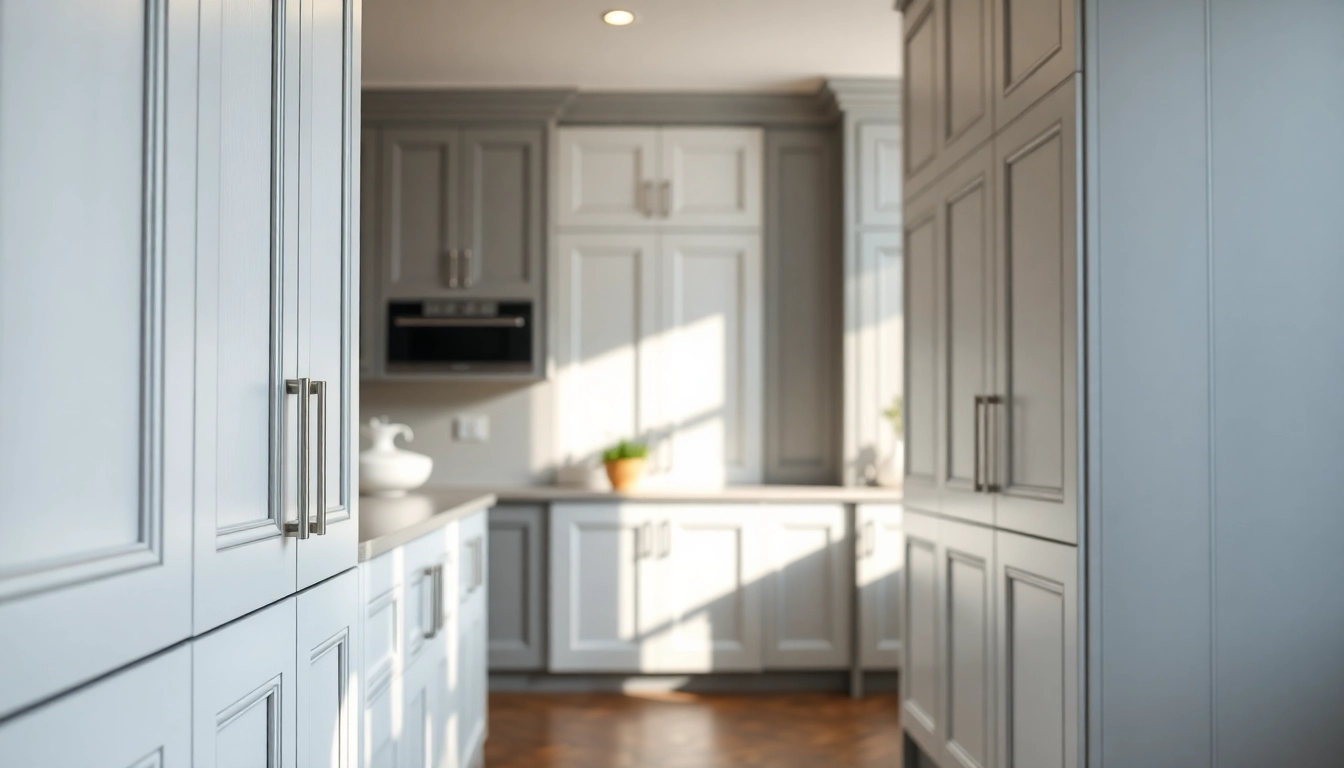
Cabinetry serves as the backbone of a well-organized home. Whether in the kitchen, bathroom, or home office, the right cabinetry can transform a space, maximizing both functionality and aesthetic appeal. High-quality cabinetry not only enhances the visual appeal of your interiors but also plays a crucial role in maintaining an orderly environment. Custom cabinetry offers a range of benefits that can cater to individual needs and ensure longevity, making it a worthy investment for any homeowner. For those considering improvements, exploring cabinetry options can unveil various possibilities.
Benefits of Custom Cabinetry
Custom cabinetry stands out for its tailored solutions, enabling homeowners to design storage that meets specific needs. Here are some key benefits:
- Enhanced Space Utilization: Custom cabinetry makes the most out of your available space, allowing for efficient storage solutions that fit unique dimensions and layouts.
- Personalized Aesthetic: With a myriad of styles, finishes, and materials available, homeowners can achieve a look that reflects their personal taste and complements other elements in the room.
- Quality Craftsmanship: Custom cabinetry often utilizes high-quality materials and superior craftsmanship, leading to increased durability and longevity compared to stock options.
- Increased Property Value: Well-designed cabinetry can enhance the overall value of a home, appealing to potential buyers who appreciate functional storage and beautiful design.
Choosing the Right Materials
The choice of materials in cabinetry plays a crucial role in both appearance and durability. Here are some options:
- Solid Wood: Renowned for its strength and aesthetic appeal, solid wood is a popular choice for high-end cabinetry, coming in various hardwoods like oak, maple, and cherry.
- Engineered Wood: Materials like MDF or plywood are often used for cabinetry. They provide good stability and are less prone to warping than solid wood, making them ideal for intricate designs.
- Laminate: Laminate surfaces are cost-effective and highly customizable, providing an array of textures and colors. They are also resistant to scratches and stains.
- Metal: For a sleek, modern look, metals such as stainless steel can be employed, especially in contemporary kitchens and commercial settings.
Understanding Cabinetry Styles
With myriad cabinetry styles available, selecting the right one can significantly impact your space. Here’s a brief overview of popular styles:
- Traditional: Characterized by elegant details, raised panels, and rich finishes, traditional cabinetry often evokes a sense of elegance.
- Modern: Emphasizing simplicity and functionality, modern cabinetry features clean lines, minimal ornamentation, and a focus on form.
- Transitional: This style blends elements of both traditional and modern, offering versatility suitable for various decors.
- Rustic: Incorporating natural materials and a warm aesthetic, rustic cabinetry adds character and a cozy feel to any space.
Designing Your Perfect Cabinetry Layout
Creating a functional and aesthetically pleasing cabinetry layout requires careful planning and design considerations. Here’s how to approach it:
Assessing Kitchen Space Requirements
Understanding your kitchen’s spatial dynamics is the first step toward an effective cabinetry layout. Consider the following:
- Layout Design: Determine whether your kitchen works best with a U-shape, L-shape, galley, or island layout. Each has distinct advantages based on space.
- Workflow Zones: Plan around key zones—prep, cooking, and cleaning—to maintain an efficient workflow that minimizes movement.
- Storage Needs: Assess what items need to be stored, including dishware, appliances, and pantry items, to optimize storage solutions.
Optimizing Functionality with Smart Designs
Smart designs integrate functionality into cabinetry layouts, enhancing how space is used:
- Pull-Out Drawers: These can provide easy access to pots, pans, and spices, reducing clutter and improving efficiency.
- Soft-Close Mechanisms: Incorporating soft-close doors and drawers can enhance usability and longevity in cabinetry.
- Integrated Appliances: Designing cabinetry to accommodate refrigerators, ovens, and dishwashers can create a seamless look while maximizing storage.
Incorporating Storage Solutions in Cabinetry
Effective storage solutions transform cabinetry from mere decorative features into practical assets:
- Corner Cabinets: Utilize lazy Susans or pull-out systems to optimize corner space.
- Vertical Storage: Implement tall cabinets for pantries or utility storage, ensuring that even the high spaces are utilized effectively.
- Drawer Organizers: Customized dividers can optimize the organization of utensils and tools, boosting efficiency in the kitchen.
Cabinetry Installation Best Practices
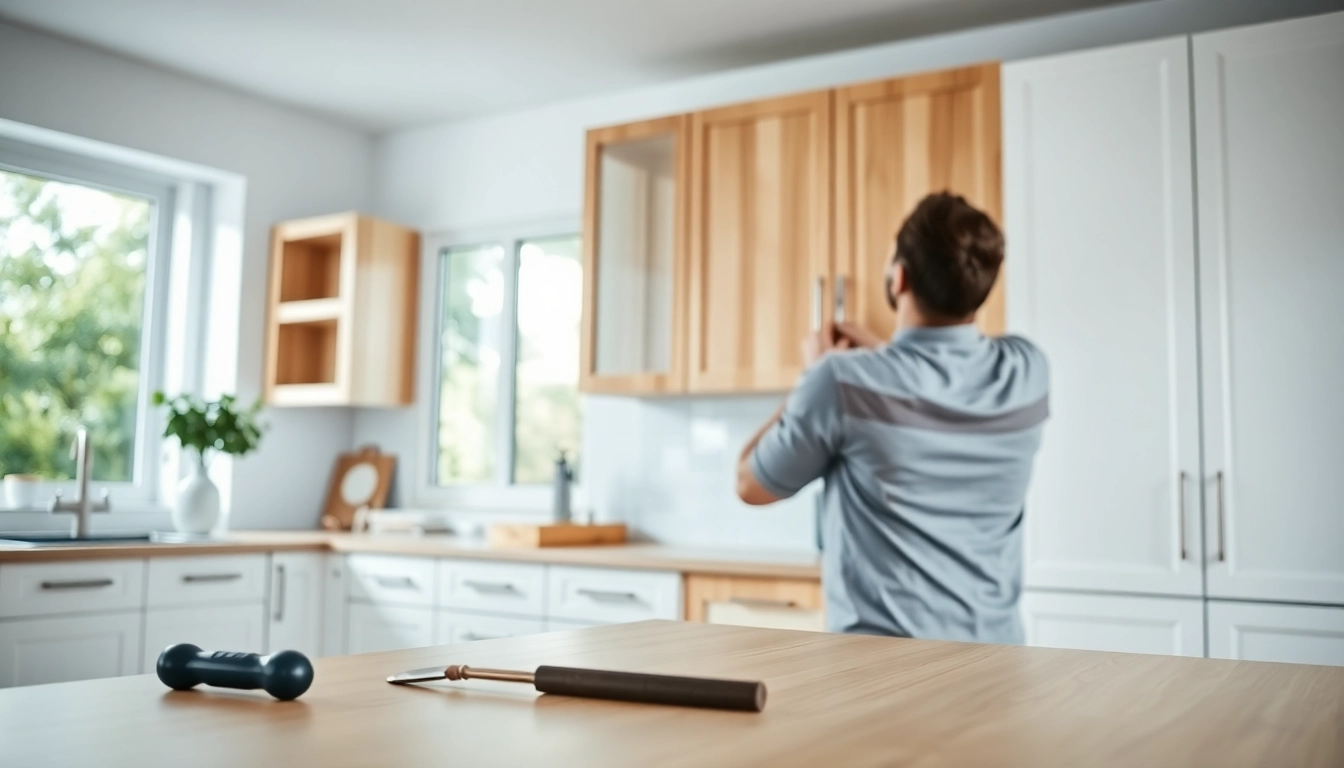
Once your cabinetry is designed, installation is the next crucial step that requires precision and care. Follow these best practices to ensure a flawless outcome:
Preparing Your Space for Installation
Preparation sets the stage for successful installation. Here’s how to get started:
- Clear the Area: Remove any existing cabinetry and appliances, and ensure the workspace is clean and organized.
- Inspect Walls and Flooring: Check for level walls and floors. Any imperfections should be addressed before installation.
- Gather All Materials: Ensure you have all your cabinetry, fasteners, tools, and any additional materials needed for installation.
Tools Needed for Cabinetry Installation
Having the right tools is vital for an efficient installation. Common tools required include:
- Drill/Driver: Essential for making holes and driving screws.
- Saw: A circular or miter saw will be necessary for precise cuts.
- Level: To ensure every cabinet is perfectly aligned.
- Measuring Tape: A reliable tool for accurate measurements throughout the installation process.
Hiring Professional Installers vs. DIY
Deciding whether to hire professionals or tackle the installation as a DIY project depends on several factors:
- Experience Level: If you have past experience with cabinetry installation, you might feel comfortable tackling it yourself.
- Complexity of the Design: Custom designs with intricate details typically require professional expertise for optimal results.
- Time Consideration: If time is limited, hiring professionals can save you considerable effort and ensure timely completion.
Maintenance Tips for Long-Lasting Cabinetry
To keep cabinetry looking new and functioning well, regular maintenance is essential. Here are some tips:
Cleaning and Care Guidelines
Regular cleaning helps maintain the appearance of cabinetry. Follow these guidelines:
- Use Gentle Cleaners: Avoid harsh chemicals that can damage finishes; opt for mild soap and water.
- Wipe Spills Immediately: This prevents potential staining and damage to the cabinetry.
- Dust Regularly: Using a soft cloth can keep surfaces free of grime and dust build-up.
Protecting Cabinetry from Damage
To extend the life of cabinetry, take measures to protect it from potential damage:
- Use Coasters: Always place hot pots and pans on trivets or coasters to prevent heat damage.
- Avoid Excess Moisture: Ensure that cabinets near sinks or stoves are adequately sealed from moisture exposure.
- Organize Contents Carefully: Avoid overloading shelves and drawers, which can cause warping or structural damage.
When to Consider Refurbishing
Understanding when to refurbish cabinetry can prolong its life and enhance your space:
- Visible Wear: If you notice scratches, dents, or fading, it may be time for a refresh.
- Updated Decor: If your home’s style has evolved, refurbishing can help the cabinetry remain in harmony with other design elements.
- Functionality Issues: If drawers stick or doors won’t close properly, refurbishing can help restore functionality.
Trends in Cabinetry Design
Staying updated with the latest cabinetry trends can help homeowners make informed choices that enhance their space. Here are some noteworthy trends:
Eco-Friendly Materials and Designs
With a growing awareness of environmental sustainability, there’s an increasing demand for eco-friendly cabinetry options:
- Sustainable Wood Sources: Choosing cabinetry made from sustainably-sourced wood reduces environmental impact.
- Low-VOC Finishes: Many manufacturers now offer finishes with low volatile organic compounds that are safer for indoor air quality.
- Reclaimed Materials: Using reclaimed wood for cabinetry not only provides a unique aesthetic but also promotes recycling.
Integrating Technology into Cabinetry
Innovation in technology is creating smarter cabinetry solutions:
- Smart Appliances: Integration with smart home systems allows you to control appliances from your cabinetry remotely.
- LED Lighting: Incorporating LED lights into cabinetry enhances visibility and aesthetics.
- Automated Features: Innovations such as touch-activated doors and drawers elevate convenience and modernity.
Mixing Styles for Unique Spaces
More homeowners are opting for eclectic styles that combine various aesthetics to create distinctive looks:
- Contrasting Finishes: Mixing finishes, such as matte and glossy surfaces, adds depth and interest.
- Various Textures: Including different textures, such as wood and metal, can enhance visual appeal.
- Color Variety: Use of bold colors alongside neutrals can create an engaging visual contrast in cabinetry.
Frequently Asked Questions
What factors should I consider when choosing cabinetry?
Consider the style, material, durability, functionality, and budget when selecting cabinetry for your space.
How can I maintain my cabinetry?
Regularly clean with mild soap and water, avoid harsh chemicals, and promptly address spills to maintain your cabinetry.
Is custom cabinetry worth the investment?
Yes, custom cabinetry offers tailored solutions and quality craftsmanship that can enhance both functionality and aesthetics.
Can I install cabinetry myself?
While it’s possible to install cabinetry as a DIY project, ensure you have the necessary skills and tools to achieve professional quality.
What’s the best way to refurbish old cabinetry?
Clean thoroughly, repair any damages, and consider repainting or replacing hardware for a refreshed look.