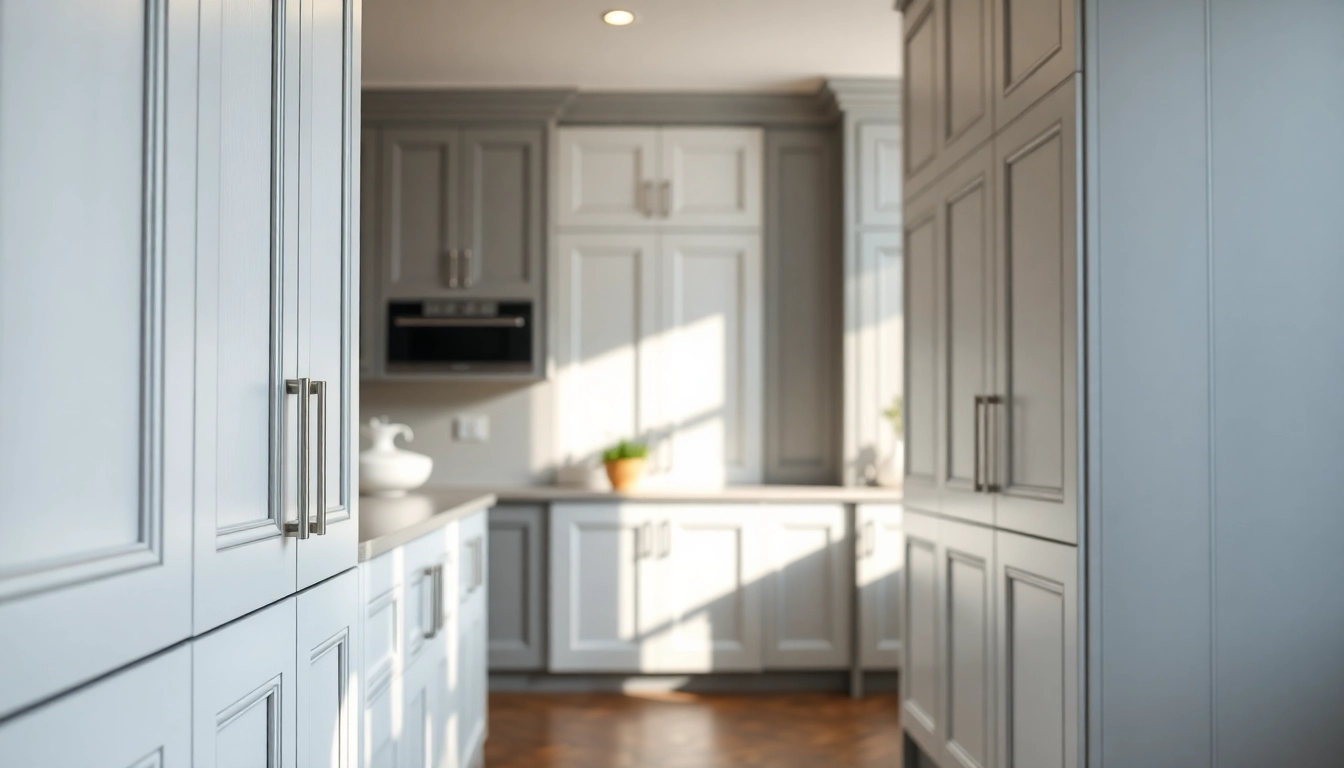
Understanding Cabinet Refacing Clearwater FL
What is Cabinet Refacing?
Cabinet refacing is the process of updating the appearance of your cabinets without replacing them entirely. It involves removing the old veneer, hardware, and finishes from the cabinet frames and doors, and then applying new materials, finishes, and hardware. This process is ideal for homeowners in Clearwater, FL, looking to refresh their kitchens or bathrooms affordably. By opting for cabinet refacing, you can achieve a brand-new look with less mess and lower costs compared to full cabinet replacement. For those exploring options in this area, check out Cabinet Refacing Clearwater FL to discover suitable services.
Benefits of Refacing Cabinets
Cabinet refacing comes with numerous advantages:
- Cost-Effective: Refacing is generally less expensive than full cabinet replacement, making it accessible for many homeowners.
- Time-Saving: The process can typically be completed in a fraction of the time it takes for new cabinet installation.
- Less Waste: By reusing the existing cabinet structure, you reduce landfill waste, contributing to environmental sustainability.
- Aesthetic Flexibility: Homeowners can select from a variety of materials, finishes, and door styles to match their desired aesthetic.
- Increased Home Value: A beautifully refaced kitchen can significantly enhance the market value of a home.
Choosing the Right Style and Material
Selecting the right style and material for cabinet refacing is crucial. Consider factors such as overall color schemes, existing decor, and personal preferences. Common materials used in refacing include laminated veneer, real wood veneer, and even paint options that can completely transform the look of the cabinets.
Additionally, choosing a style can include frameless or framed designs, shaker-style doors, or contemporary flat-panel doors. Assessing how these choices fit into the overall design of your home will help you achieve a cohesive look.
Step-by-Step Refacing Process
Preparation and Planning
The initial stage of cabinet refacing requires thorough preparation and planning. Proper measurements of existing cabinets should be taken to ensure all materials are fit accurately. Homeowners should also think about their desired outcomes, selecting colors and styles ahead of time.
It’s recommended to clear out cabinets and remove any items from the area to facilitate a smooth process. Having a clean slate not only aids in the physical refacing but also provides homeowners with a clearer vision of the final result.
Removing the Old Finishes
The next step involves stripping off the old finishes. This may include sanding down painted surfaces or removing outdated laminate. Depending on the cabinet’s condition, the existing surface may be entirely stripped or simply prepared for new veneer applications.
For wooden cabinets, sanding may be necessary to ensure that the new veneer adheres properly. This is a crucial step as it sets up the right base for the next material to bond effectively.
Applying the New Veneer and Hardware
Once the cabinet frames are prepared, applying the new veneer or laminate can begin. This involves measuring and cutting the new material to ensure a precise fit before adhering it to the cabinets. Professional installation is recommended for those unfamiliar with this process to avoid common pitfalls.
The final touches usually include installing new hardware such as knobs, pulls, or hinges, which can dramatically enhance the cabinets’ appeal. Choosing stylish fixtures that match or contrast with the cabinet colors can yield stunning results.
Cost Considerations for Cabinet Refacing Clearwater FL
Average Costs Involved
The average cost of cabinet refacing can vary widely depending on several factors, including the size of the kitchen or bathroom, the types of materials chosen, and the labor costs involved. Typically, homeowners may spend anywhere between $1,500 to $5,000 for a complete refacing project.
For those considering a DIY approach, materials alone may range from $500 to $3,000 depending on the quality and type selected. Always budget for potential extras, such as new hardware, installation costs, and unforeseen complications.
Factors Impacting Pricing
A number of factors can influence the total price of cabinet refacing:
- Material Quality: Premium materials will drive costs higher, while budget options can provide savings.
- Cabinet Layout: The more complicated the layout, the greater the challenge in refacing process, affecting time and labor costs.
- Finishing Touches: Choosing custom features, like soft-close hinges or intricate door styles, can increase overall expenses.
- Location: Costs may also vary based on geographical location, with certain areas having higher labor or material expenses.
Budget-Friendly Tips
For homeowners aiming to refinish their cabinets on a budget, consider the following tips:
- DIY: If you have the time and skills, undertaking some of the work personally can help reduce labor costs.
- Choose Stock Colors: Selecting pre-finished or stock options can often come at a lower price point compared to custom orders.
- Shop Sales: Look for sales and discounts at home improvement stores or material suppliers to find quality goods at reduced prices.
- Limit Changes: Keeping your original layout and only refacing visible areas can significantly cut costs.
Common Challenges and Solutions
Identifying Cabinet Damage
Prior to beginning the refacing process, it’s important to assess for any structural damage. Look for signs of rotting, warping, or insect damage as these can severely affect the integrity of the cabinet. Consult professionals if necessary to evaluate if repairs are needed first.
Dealing with Color Discrepancies
Sometimes, the new veneer may not perfectly match existing materials. This can be a source of frustration for homeowners. To mitigate this, bring samples into your kitchen to see how they look under various lighting conditions before making a decision. Selecting similar tones or utilizing contrasting colors can enhance the overall design.
Hiring a Professional vs. DIY
While DIY refacing can save money, it’s vital to critically assess your own skill level and the time required. Professional contractors can deliver higher quality results and often guarantee their work, making them a worthwhile investment for complex projects. Depending on the desired outcome and expertise, the decision should align with both budget and expectations.
FAQs about Cabinet Refacing Clearwater FL
What types of materials are used in cabinet refacing?
Common materials include laminated veneer, real wood veneer, and various paint options. The choice depends on budget and desired aesthetics.
How long does the cabinet refacing process take?
Most cabinet refacing projects are completed within a few days, depending on the size of the kitchen and detail involved.
Can I keep my existing cabinet layout?
Yes, one of the main benefits of refacing is retaining your original cabinet layout while refreshing the look.
Is cabinet refacing worth the investment?
Absolutely; cabinet refacing enhances the aesthetic appeal, can increase home value, and is cost-effective compared to full replacement.
How do I maintain my newly refaced cabinets?
Regular dusting and using gentle cleaners are key. Avoid harsh chemicals to preserve the finish, and check hardware regularly for any needed adjustments.