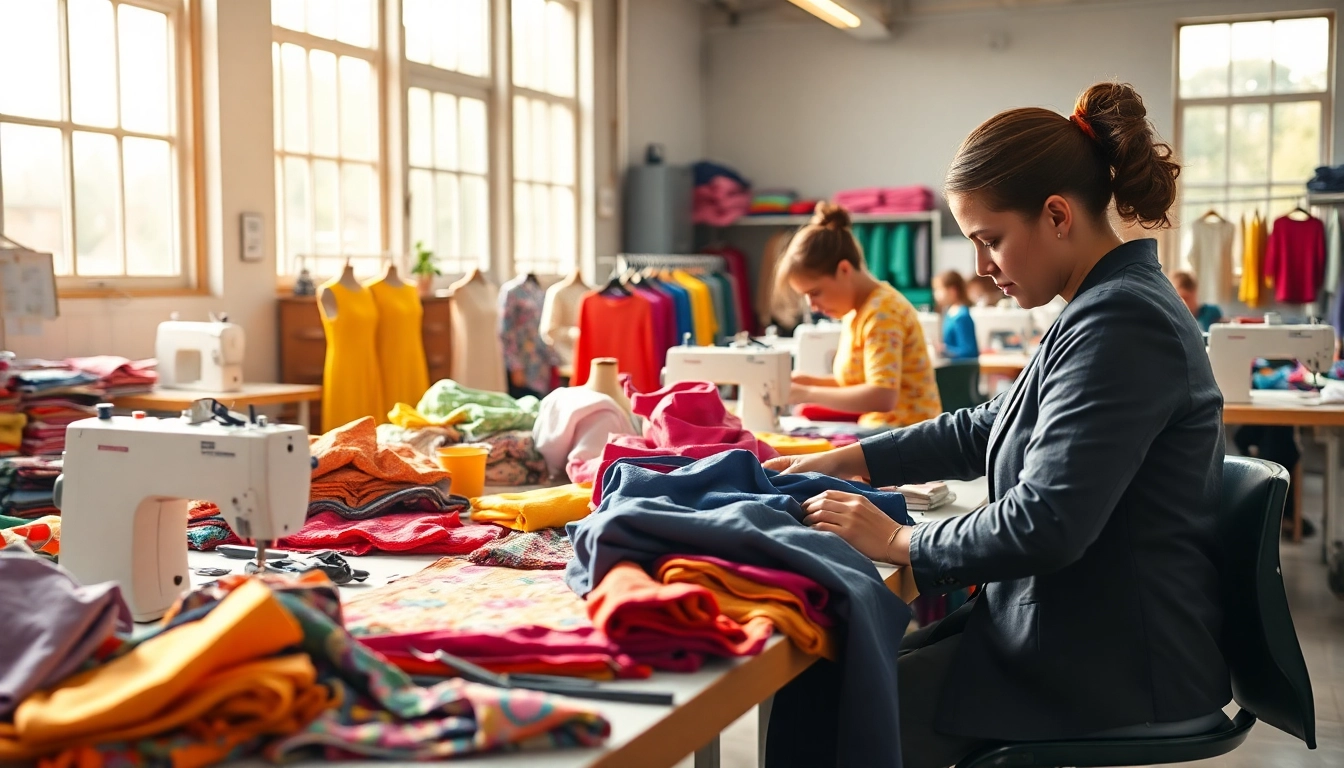
Understanding the Role of an Apparel Manufacturer
What is an Apparel Manufacturer?
An Apparel Manufacturer is a company or entity that focuses on the production of clothing and accessories. They operate within a complex supply chain that encompasses design, material sourcing, production, and distribution. A key player in the fashion and retail sectors, apparel manufacturers range widely in size, from large industrial firms that may deal in mass production to small boutique manufacturers that specialize in limited runs of unique designs.
Importance for Brands and Retailers
For brands and retailers, collaborating with an apparel manufacturer can significantly influence their success in the marketplace. Apparel manufacturers provide expertise in technical design, facilitate the efficient creation of products, and offer insights into trends within the industry. Understanding the demand for quality and fast turnaround times, they play a crucial role in bringing a brand’s vision to life, allowing retailers to focus on marketing and sales strategies rather than production logistics.
How to Choose the Right Manufacturer
Selecting the right apparel manufacturer is paramount for brands aiming to establish a reliable product line. Key considerations should include:
- Experience: Look for manufacturers with a proven track record in your specific market niche.
- Capabilities: Ensure they possess the facilities and technology to meet your design and production needs.
- Minimum Order Quantities: Understand their policies on minimum orders, which can impact your cash flow and inventory management.
- Quality Assurance: Investigate their quality control processes to ensure they align with your brand’s standards.
- Communication: Effective communication is key; choose a manufacturer that promptly addresses your queries and concerns.
Key Services Offered by Apparel Manufacturers
Design and Prototyping Capabilities
The design process is a pivotal service offered by apparel manufacturers. They often have in-house design teams who collaborate closely with brands to turn concepts into prototypes. Prototyping allows brands to visualize their products and make necessary adjustments before bulk production. Furthermore, leveraging advanced technology such as 3D modeling can significantly enhance the design phase, reducing time and costs while increasing accuracy.
Sourcing Materials Effectively
Apparel manufacturers are adept at sourcing materials from various suppliers, which is essential for meeting design specifications and quality standards. This process typically involves identifying options based on functionality, sustainability, and cost. Evaluating material quality is crucial, and reputable manufacturers maintain strong relationships with suppliers to ensure consistency and reliability in their product offerings.
Production Processes Explained
Production in apparel manufacturing typically follows a series of stages:
- Cutting: Materials are cut according to patterns developed during the design phase.
- Sewing: Cut pieces are then sewn together using various techniques depending on the design.
- Finishing: This involves adding final touches such as labels, buttons, and pressing the garments.
- Quality Control: At various stages, inspections are conducted to ensure products meet quality benchmarks.
Quality Control in Apparel Manufacturing
Standards and Best Practices
Quality control is a critical component in apparel manufacturing. Manufacturers adhere to rigorous standards to ensure that the final products not only meet but exceed the customer’s expectations. Best practices involve implementing consistent inspection procedures at each stage of production, utilizing both manual inspections and technological solutions like automated quality assessments.
Managing Defects and Returns
Every manufacturing process is prone to defects, making the management of these issues essential. A structured approach involves tracking defect rates and understanding the reasons behind returns. This allows manufacturers to adjust their processes—be it through enhanced training protocols, better materials, or improved machinery—to reduce future errors and figure out viable strategies for efficient returns handling.
Importance of Certifications
Certifications can significantly boost the credibility of an apparel manufacturer. Standards such as ISO 9001 offer assurance of consistent quality in the manufacturing process, while sector-specific certifications can validate ethical production practices. Brands often prioritize manufacturers with such certifications, as they align with growing consumer demand for accountability and transparency in production.
Cost Factors in Apparel Manufacturing
Labor, Material, and Overhead Costs
Understanding the various cost components associated with apparel manufacturing is crucial for brands when planning their budgets. Labor costs vary geographically, influenced by local wage standards and skill availability. Material costs depend on the type and quality of fabrics chosen, while overhead costs encompass everything from utilities to equipment depreciation. Detailed cost analysis can give brands a clearer view of their financial commitments.
Estimating Production Budgets
To develop realistic production budgets, brands should consider all relevant cost elements: design expenses, material costs, labor, overhead, and potential shipping fees. Historical data from previous productions can help in creating accurate forecasts. Working closely with manufacturers to obtain quotations can ensure the budget aligns with market expectations while allowing for price fluctuations.
Strategies for Cost Reduction
Apparel manufacturers can implement several strategies for cost reduction while maintaining quality:
- Bulk Purchasing: Buying materials in larger quantities can lead to discounts.
- Streamlined Operations: Implementing lean manufacturing techniques minimizes waste and enhances efficiency.
- Negotiate Labor Costs: Working with skilled labor forces in lower-cost regions can decrease expenses.
- Eco-Friendly Practices: Not only beneficial for the environment but sustainable practices can result in reduced material costs and attract eco-conscious consumers.
Future Trends in Apparel Manufacturing
Sustainability and Eco-Friendly Practices
With an increasing focus on environmental sustainability, many apparel manufacturers are adopting eco-friendly practices. This includes using sustainable materials, reducing waste, and adopting energy-efficient production techniques. Brands that collaborate with manufacturers prioritizing sustainability not only contribute positively to the environment but can also connect with a consumer base that values ethical practices.
Technology Integration in Production
The integration of technology in apparel manufacturing is transforming traditional practices. Automated cutting machines, robotic sewing units, and artificial intelligence-driven inventory management are making production faster and more efficient. Embracing these innovations allows manufacturers to adapt to market demands swiftly and enhance flexibility in their operations.
Consumer Trends Affecting Manufacturing Choices
As consumer preferences evolve, apparel manufacturers must adapt their strategies accordingly. Trends such as customization, quick response times, and transparency are becoming increasingly important. Manufacturers that leverage data analytics to understand consumer behavior can enhance product offerings while ensuring they remain relevant in a competitive landscape.
FAQs
What are the key roles of an apparel manufacturer?
An apparel manufacturer handles design, material sourcing, production, and quality control, helping brands bring their clothing concepts to market effectively.
How can I find a reliable apparel manufacturer?
Look for manufacturers with relevant experience, strong communication, good quality control practices, and positive reviews from other brands.
What factors affect the cost of apparel manufacturing?
Labor, material quality, overhead costs, and production methods are major factors that influence the overall cost of manufacturing apparel.
What are sustainable practices in apparel manufacturing?
Sustainable practices include using eco-friendly materials, minimizing waste, reducing energy consumption, and ensuring ethical labor practices throughout the manufacturing process.
How important is quality control in apparel manufacturing?
Quality control is vital. It ensures that finished products meet standards, reducing returns and boosting brand reputation by delivering consistent quality to customers.