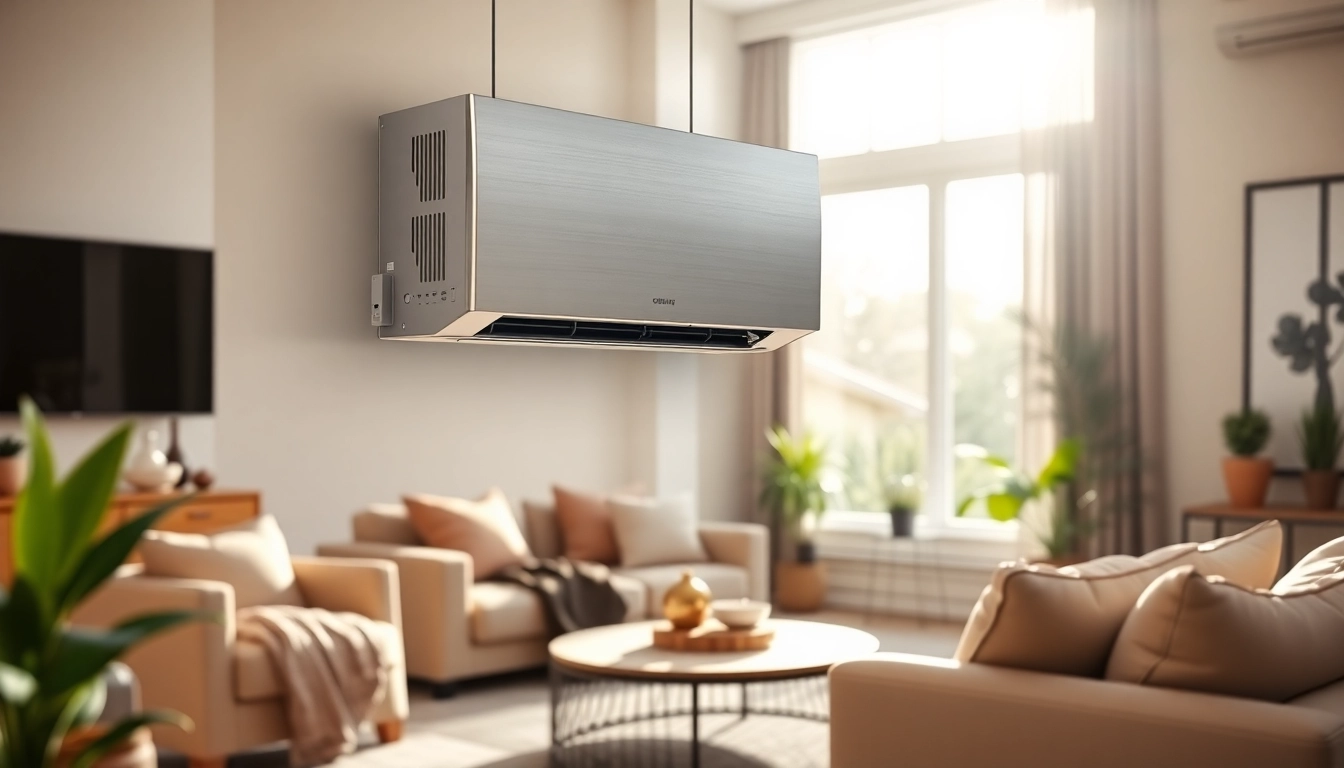
Understanding Mini Split AC: An Overview
What is Mini Split AC?
A mini split AC is a type of air conditioning system that provides both cooling and heating options for indoor spaces. These systems are composed of two main units: an outdoor compressor and one or more indoor air handling units. The absence of ductwork means less energy loss and greater flexibility in installation, making mini split AC units an ideal choice for various residential and commercial setups. mini split ac systems are popular for their energy efficiency, versatility, and ability to maintain optimal indoor air quality.
Key Components of Mini Split AC
The main components of a mini split AC include:
- Outdoor Unit: This unit houses the compressor and condenser coil, facilitating the heat exchange process.
- Indoor Unit: The indoor air handler distributes conditioned air throughout the space and can come in various styles, such as wall-mounted, ceiling-mounted, or floor-mounted.
- Refrigerant Lines: These insulated lines connect the indoor and outdoor units, enabling the cooling or heating process by transporting refrigerant.
- Drain Line: This line removes condensate, preventing moisture accumulation within the indoor unit.
- Remote Control: Most modern mini split AC units feature remote controls for easy temperature adjustments and operational settings.
How Mini Split AC Works
The operational principle of a mini split AC relies on the refrigeration cycle, which involves the following steps:
- Evaporation: The indoor unit’s evaporator coil absorbs heat from the indoor air, causing the refrigerant within to evaporate and turn into gas.
- Compression: The gaseous refrigerant is transported to the outdoor compressor unit, where it is compressed, raising its pressure and temperature.
- Condensation: The high-pressure gas then flows to the outdoor unit’s condenser coil, releasing its heat to the outside air and condensing back into liquid form.
- Expansion: The refrigerant returns to the indoor unit through an expansion valve, where it undergoes a drop in pressure and temperature, ready to absorb more heat from indoor air.
This cycle repeats as long as the system is operational, ensuring a consistent supply of comfortable air indoors.
Benefits of Mini Split AC for Home Owners
Energy Efficiency and Savings
One of the most compelling benefits of mini split AC systems is their energy efficiency. Many mini split units are equipped with inverter technology, which adjusts the compressor speed based on the cooling demand, resulting in substantial energy savings. According to the U.S. Department of Energy, mini splits can be up to 30% more efficient compared to traditional air conditioning systems, translating into lower utility bills and a reduced carbon footprint.
Space-Saving Design
Mini split AC systems are designed to occupy minimal space within a home. Unlike conventional HVAC systems requiring extensive ductwork, a mini split system can be installed in a corner, near the ceiling or wall-mounted, leaving floor space free for furniture and other home essentials. This flexibility in placement makes it an attractive cooling solution, especially for smaller homes or rooms where floor space is at a premium.
Enhanced Comfort Control
Multi-zone mini split AC systems allow homeowners to customize their cooling and heating needs within different rooms or zones. Independent temperature control in each zone ensures that residents can maintain their preferred temperatures, leading to enhanced comfort. Homeowners can save energy by only conditioning spaces that are in use, further boosting efficiency without sacrificing comfort.
Installation Insights for Mini Split AC
Preparing Your Space for Installation
Proper preparation is fundamental before installing a mini split AC system. Start by assessing your space and ensuring sufficient clearance for indoor and outdoor units. Check wall integrity and select a location that maximizes airflow for better efficiency. It’s essential to consider the aesthetics as well; the indoor unit should blend with your décor while still remaining functional.
Choosing the Right Size Mini Split AC
Size matters when it comes to air conditioning. An undersized unit will struggle to cool your space, consuming more energy, while an oversized unit will cycle on and off too frequently, affecting humidity control and comfort. To determine the appropriate size, calculate the BTU (British Thermal Unit) requirements based on the room’s square footage, insulation levels, and exposure to natural sunlight. A professional can assist in this calculation, ensuring optimal system selection for efficient cooling.
Do-It-Yourself vs Professional Installation
While some homeowners may consider installing a mini split AC system themselves, it is highly recommended to seek professional assistance. Qualified technicians understand the complexities involved, including refrigerant handling, electrical connections, and system calibration, ensuring proper performance. Incorrect installation can lead to performance issues and void warranties, adding to long-term costs.
Maintenance Tips for Mini Split AC Units
Regular Cleaning and Filter Replacement
Routine maintenance is crucial to keeping a mini split AC unit running efficiently. Clean the indoor and outdoor units regularly, removing dust and debris that can obstruct airflow. Additionally, check and replace filters every few months, as dirty filters can lead to reduced efficiency and impaired air quality. Regular maintenance can extend the lifespan of the unit and ensure optimal performance.
Common Troubleshooting Steps
Common issues with mini split AC systems may include insufficient cooling, unusual noises, or inconsistent air distribution. Before calling for service, check the remote settings, ensure the outdoor unit is free of obstructions, and confirm that the filters are clean. Basic troubleshooting can often resolve minor issues, saving time and service costs.
When to Call a Technician
If your DIY troubleshooting efforts cannot resolve the problem, it’s time to consult a technician. Signs that professional help is needed include refrigerant leaks, rapid cycling of the system, and strange noises indicating mechanical failure. Promptly addressing these issues can prevent further damage and costly repairs.
FAQs About Mini Split AC Systems
What is the average lifespan of a mini split AC?
On average, mini split AC systems can last between 12 to 15 years with proper maintenance. Regular servicing can help prolong their life and efficiency.
Can I use mini split AC for heating?
Yes, many mini split AC systems come with heat pump capabilities, allowing them to provide efficient heating during colder months without needing a separate heating source.
How much does a mini split AC system cost?
The cost of a mini split AC system varies widely based on features and installation complexity, but a typical range is between $3,000 to $5,000 for a complete system.
Is mini split AC noisy compared to traditional systems?
Mini split AC systems tend to operate more quietly than traditional central air systems. The indoor units are designed for low noise levels, enhancing indoor comfort.
Are mini split AC systems easy to maintain?
Yes, mini split AC units are generally easy to maintain. Regular cleaning of filters and outdoor units can be performed by the homeowner, while annual professional check-ups ensure optimal performance.