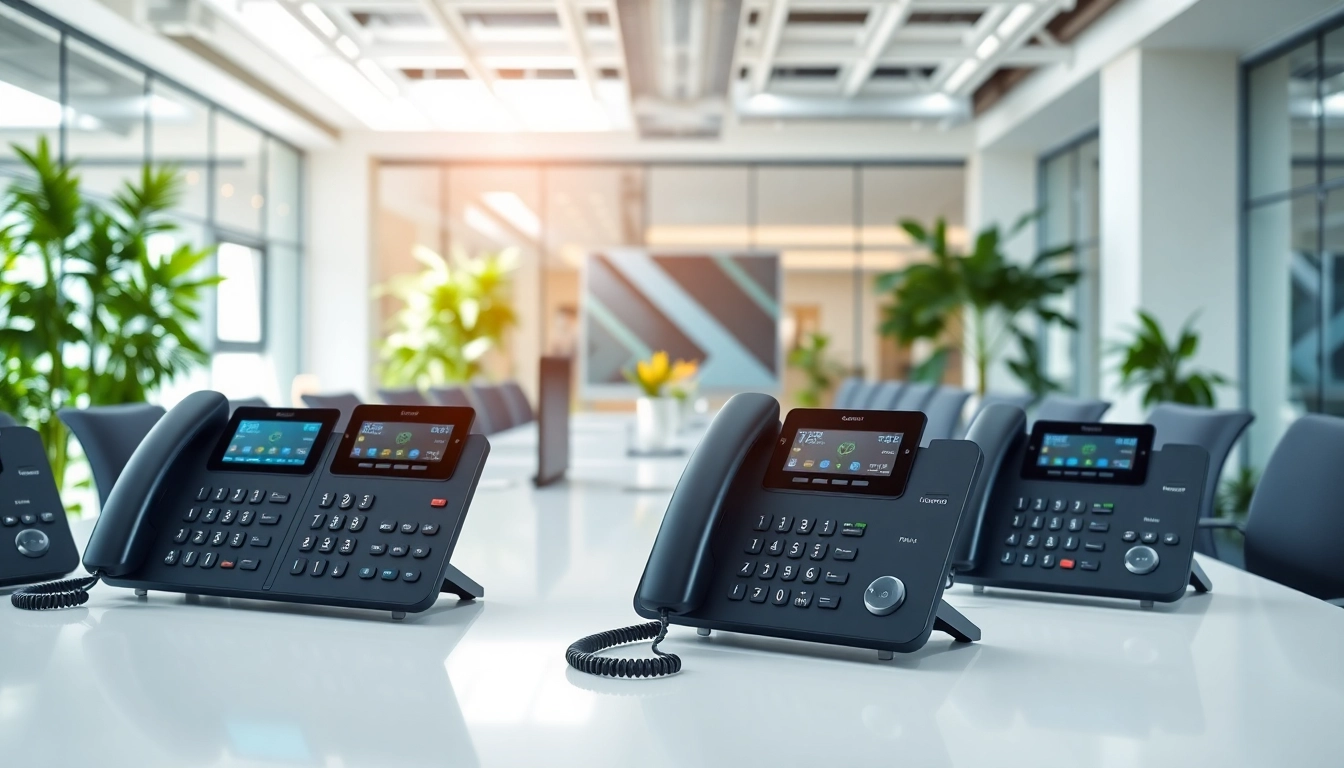
Understanding Business Phone Systems
What Are Business Phone Systems?
Business phone systems are a crucial element in the infrastructure of any organization, serving as the backbone for communication both internally among staff and externally with clients. At their core, these systems facilitate voice communication over various mediums, including traditional phone lines, internet protocols, and mobile networks. This ensures that businesses can maintain uninterrupted lines of communication, regardless of location or time.
With the emergence of digital technology, businesses have shifted towards more advanced systems that provide a range of features designed to enhance productivity and efficiency. Systems can be hosted on-site or in the cloud, providing flexibility to match diverse business needs. For organizations looking to enhance their communication strategy, integrating business phone systems into their operations is now more accessible than ever.
Key Features of Business Phone Systems
Modern business phone systems come equipped with various features designed to improve communication flow and streamline operations. Below are some of the quintessential features that organizations should consider:
- Voicemail and Voicemail-to-Email: Provides messages that can be accessed anywhere, enhancing responsiveness.
- Call Forwarding: Ensures that calls are not missed, allowing them to be redirected to another number.
- Conference Calling: Supports multiple users on a single call, fostering collaboration.
- Auto Attendants: Automatically guides callers through a menu of available options, reducing the need for a human receptionist.
- Call Analytics: Offers insights based on call data, assisting in improving service quality and operational efficiency.
Types of Business Phone Systems Available
The landscape of business phone systems has evolved significantly, leading to several distinct types that cater to different communication needs:
- Traditional PBX Systems: Physical hardware installed on-premises, commonly used by larger companies.
- VoIP Systems: Internet-based systems that route calls through the web, enabling cost-saving and versatile usage.
- Cloud-Based Systems: Hosted solutions that provide flexibility and scalability without needing physical equipment on site.
- Hybrid Systems: Combine elements of both traditional and cloud systems, optimizing utility for businesses in transition.
Benefits of Upgrading Your Business Phone Systems
Improved Communication and Collaboration
Upgrading to a modern business phone system can greatly enhance communication within and outside the organization. Features like instant messaging and video conferencing create a more collaborative environment, breaking down barriers that may have slowed communication. The use of these tools allows teams to work together effectively, regardless of geographic location.
Cost-Effectiveness and Scalability
A key advantage of modern business phone systems, particularly VoIP and cloud-based systems, is their scalability. Businesses can easily add users or features according to their evolving needs, allowing them to scale efficiently as they grow without incurring high costs. This flexibility is essential for startups and businesses anticipating growth, making budgets more manageable.
Enhanced Features Over Traditional Systems
Unlike traditional systems, which may lack advanced features and flexibility, modern solutions come with integrated functionalities that enhance user experience. VoIP and cloud systems often include mobility, enabling users to access their phone systems from various devices. Features such as AI-driven call routing and enhanced voicemail options considerably improve customer experience and internal operations.
Evaluating Your Business Needs for Phone Systems
Assessing Call Volume and Usage
An important first step in selecting a business phone system is to assess your organization’s call volume and usage patterns. Understanding how often and for what purpose calls are made can help determine the size and configuration of the system necessary to meet your company’s needs.
For example, businesses with high call volume may benefit from systems that offer robust call management functions, while smaller operations may find simpler systems adequate. Monitoring current call metrics can provide valuable insights into usage trends and help tailor chosen solutions.
Identifying Required Features
Different businesses require diverse features based on their operational needs. Before choosing a system, it’s crucial to compile a list of must-have features that align with your operations. For instance, teams that rely heavily on collaboration may prioritize video conferencing and messaging tools, whereas customer service-focused organizations might need more comprehensive call handling and analytics.
Determining Your Budget
Financial considerations are a critical aspect of selecting a phone system. Organizations must balance the cost of the phone system with available budgets while ensuring they do not compromise on necessary features. It’s prudent to get quotes from multiple vendors and consider not only initial installation costs, but also ongoing operational expenditures, including maintenance, user training, and potential upgrades.
Comparing Business Phone Systems
VoIP vs. Traditional Systems
When comparing business phone systems, one of the primary distinctions is between VoIP and traditional systems. VoIP systems provide enhanced flexibility, lower costs, and advanced features attributed to their internet-based nature. In contrast, traditional phone systems offer reliability but may lack scalability and often incur higher costs for maintenance and upgrades. This comparison is critical in deciding the best approach for a company’s communication strategy.
Analyzing Top Features in Your Options
Consideration of features should extend beyond basic functionalities. Businesses benefit from thoroughly evaluating the unique features offered by different systems; for example, integration capabilities with customer relationship management (CRM) software, mobile accessibility, and availability of analytics tools can influence decision-making. A comprehensive analysis will lead to the selection of a system that best meets specific operational needs.
Customer Support and Service Level Agreements
Evaluating customer support quality and service level agreements (SLAs) is paramount when selecting a business phone system. Reliable customer service ensures that any potential issues can be resolved swiftly, minimizing disruptions. Additionally, reviewing SLAs helps ensure clarity around guarantees and expectations for system performance, response times, and support services.
Implementing Your Chosen Business Phone Systems
Steps for a Smooth Transition
Implementing a new business phone system is a multi-step process that requires careful planning. Key steps include setting a timeline, assigning responsibilities to a transition team, and ensuring that all stakeholders are involved in the planning process. A well-defined plan can assist in minimizing disruptions to day-to-day activities during the transition period.
Employee Training and Adoption Strategies
Employee training is essential to ensure the successful adoption of a new phone system. Conduct sessions to familiarize staff with new features, provide written guides, and encourage feedback during initial rollout to address any concerns quickly. Encouraging open communication can ease the transition and enhance system usability.
Monitoring Performance and User Feedback
After system implementation, ongoing monitoring of system performance and gathering user feedback is crucial for continuous improvement. Collect feedback through surveys or regular check-ins to assess user satisfaction and identify areas for enhancement. This can lead to valuable insights that inform future updates or adjustments and help maintain optimal functionality.
FAQs
What is a business phone system?
A business phone system is a communication framework that allows organizations to make and receive calls while offering features like voicemail, conferencing, and call management.
What are the benefits of VoIP systems?
VoIP systems offer lower costs, flexibility, mobility, and advanced features like call analytics compared to traditional phone systems.
How do I determine the best phone system for my business?
Assess call volume, required features, and budget to ensure that the selected business phone systems meet operational needs effectively.
Can I integrate my phone system with other software?
Many modern business phone systems allow integration with CRM software and other applications, enhancing operational efficiency and productivity.
What should I expect during a phone system implementation?
Expect a structured transition, including training, support, and potential adjustments to ensure the new system meets your business needs.
Contact Information
Customer Service Email: [email protected]
Mobile Sales Email: [email protected]
Support Email: [email protected]
Call us: 0333 015 2615
Head Office: Fareham Innovation Centre, Merlin House, 4 Meteor Way, Fareham, Lee-on-the-Solent, PO13 9FU.
London Address: 124 City Road, London, EC1V 2NX
Manchester Address: Bartle House, Oxford Court, Manchester, M2 3WQ