
Understanding Sports Broadcasting
Definition and Importance of Sports Broadcasting
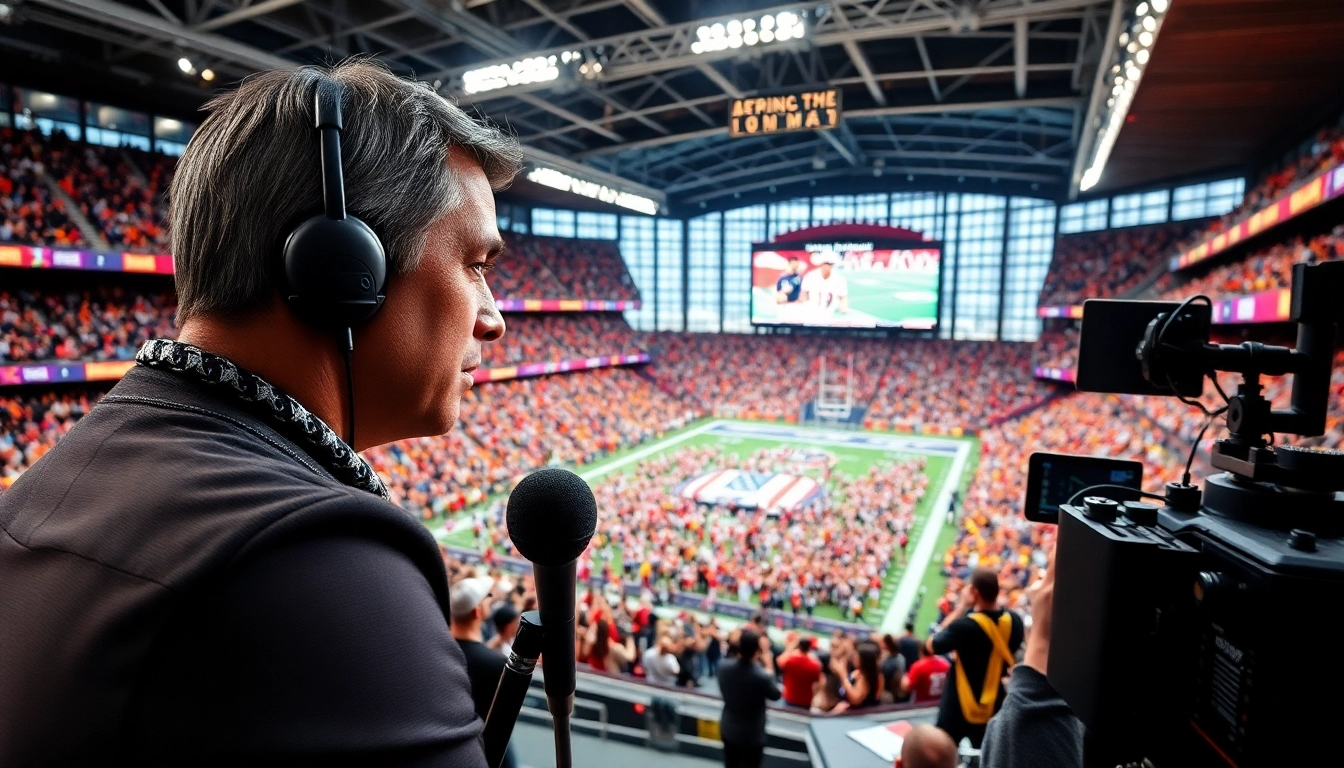
Sports broadcasting is the distribution of live or recorded sports events through various media, including television, radio, and digital platforms. This industry serves as a crucial bridge connecting sports entities with their audiences, making it a vital component of the sporting ecosystem. The significance of Sports Broadcasting extends beyond mere entertainment; it contributes significantly to revenue generation, audience engagement, and the overall popularity of sports.
Historical Evolution of Sports Broadcasting
The journey of sports broadcasting began in the early 20th century, with radio broadcasts of events such as the 1920s baseball games. The medium gained immense popularity as it allowed fans to experience the games in real-time from the comfort of their homes. Television took center stage in the 1950s, introducing a visual dimension that profoundly changed audience engagement. The invention of satellite technology in the 1980s and the advent of the internet in the late 20th century further revolutionized the way sports content is delivered.
Key Players in Sports Broadcasting
Within the sports broadcasting sphere, several key players exist, including broadcasters, production companies, and rights holders. Major broadcasters often negotiate lucrative contracts for broadcasting rights, while production companies contribute to the creation of high-quality content. Additionally, sports organizations, leagues, and teams play vital roles in shaping the content distributed, ensuring alignment with their branding and marketing strategies.
Types of Sports Broadcasting Media
Television Broadcasting: Advantages and Challenges
Television remains one of the most impactful mediums for sports broadcasting. It provides extensive coverage, high production value, and the ability to reach mass audiences. However, challenges exist, such as the high costs of content production, maintaining viewer interest, and the need to adapt to rapidly changing viewer habits, particularly among younger demographics who increasingly favor digital platforms.
Radio Broadcasting: Reaching Audiences on the Go
Radio broadcasting offers a unique advantage in its accessibility and ability to engage audiences on the go. While it may lack the visual aspect of television, radio commentary provides an immersive auditory experience that many fans enjoy. This medium remains vital, especially in areas with limited access to digital platforms, or for audiences looking for real-time updates during their commutes.
Digital Streaming: The Future of Sports Broadcasting
Digital streaming platforms are rapidly transforming the landscape of sports broadcasting. Services such as OTT platforms provide flexible viewing options, allowing fans to watch events on-demand. This shift caters to changing consumer preferences and reinforces the importance of internet infrastructure. Nevertheless, digital broadcasting also poses challenges, including subscription fatigue and the necessity for sports entities to develop direct relationships with their audiences.
Techniques and Technologies in Sports Broadcasting
Production Techniques for Live Events
Successful production of live sports events hinges on meticulous planning, advanced technology, and team coordination. Techniques such as multi-camera setups enhance the viewing experience, while innovations like drone photography provide unique perspectives. Key production elements include graphics, instant replay systems, and audience engagement features such as live polls or social media integration.
Innovations in Sports Broadcasting Technology
Emerging technologies are reshaping sports broadcasting. Innovations like augmented reality (AR) and virtual reality (VR) allow fans to experience games in immersive environments. These technologies engage viewers at a deeper level, enhancing the overall broadcasting experience. Techniques like 4K and 8K resolution offer higher picture quality, while adaptive bitrate streaming ensures that viewers receive optimal streaming experiences across devices.
Role of Commentary and Sports Analysis
Commentary and analysis are integral parts of sports broadcasting, providing context, insight, and entertainment. Skilled commentators help viewers navigate the game, highlighting key moments and player performances. Expert analysts contribute by breaking down strategies, providing in-depth analyses, and enriching discussions about the game, thereby enhancing viewer engagement and understanding of the sport.
The Role of Ethics in Sports Broadcasting
Ensuring Fairness and Accuracy
Ethics in sports broadcasting is critical to maintaining credibility and trust with audiences. Broadcasters are tasked with ensuring fair and accurate coverage, which includes responsible reporting and avoiding bias. Upholding journalistic standards allows fans to make informed opinions and fosters a more profound respect for sports as a competitive environment.
The Impact of Sponsorships on Broadcasting Integrity
Sponsorships create financial opportunities for sports broadcasters but also pose ethical questions regarding impartiality. It is vital for broadcasters to navigate potential conflicts of interest, ensuring that sponsorships do not influence commentary or coverage decisions. Transparency in the relationship between sponsors and broadcasters can help preserve the integrity of sports journalism.
Navigating Viewer Sensitivity and Controversial Topics
Sports broadcasting often intersects with sensitive topics, including social issues and player controversies. Navigating these discussions requires a delicate balance—broadcasters must provide thoughtful commentary while being mindful of audience reactions. Establishing guidelines for coverage of sensitive issues can aid broadcasters in maintaining professionalism while facilitating constructive dialogue.
Future Trends in Sports Broadcasting
The Rise of Virtual Reality Experiences
Virtual reality is poised to play a significant role in the future of sports broadcasting. As technology evolves, VR experiences will provide fans with immersive access to live events, placing them ‘in the stands’ regardless of their physical location. This advancement promises to enhance viewer engagement dramatically and offers endless possibilities for interactive features during broadcasts.
Changes in Audience Engagement Strategies
With evolving viewer preferences, sports broadcasters are rethinking their audience engagement strategies. Creating more personalized experiences and interactive content helps retain viewer interest. Emphasis on social media engagement, tailored content, and community-building initiatives not only fosters loyalty but also facilitates direct communication between fans and broadcasters.
The Role of Social Media in Sports Broadcasting
Social media is increasingly becoming a crucial part of the sports broadcasting ecosystem. Platforms like Twitter, Facebook, and Instagram allow broadcasters to share content, engage in real-time discussions, and promote upcoming events. Social media has changed the way fans interact with sports, creating communities that transcend geographical barriers and encouraging a more active involvement in the sporting conversation.
Frequently Asked Questions (FAQs)
What is sports broadcasting?
Sports broadcasting refers to the transmission of sporting events via television, radio, or digital platforms, allowing fans to watch or listen to live or recorded games.
How has sports broadcasting evolved over the years?
Sports broadcasting has evolved from radio broadcasts in the early 20th century to television in the 1950s, and now includes digital streaming, significantly enhancing viewer accessibility.
What are the benefits of digital streaming for sports broadcasting?
Digital streaming offers flexible viewing access, personalization, and on-demand content, catering to audiences’ preferences and enhancing engagement with sports events.
How do ethics play a role in sports broadcasting?
Ethics in sports broadcasting are vital for maintaining fairness, accuracy, and impartiality. This includes responsible reporting and navigating sponsorship influences.
What future trends can we expect in sports broadcasting?
Future trends in sports broadcasting may include virtual reality experiences, enhanced audience engagement strategies, and deeper integration of social media for real-time interaction.