Understanding Raffia Naturel: The Ultimate Material for Handcrafted Bags
Raffia naturel has garnered attention in the fashion industry for its unique qualities and sustainability. This natural fibre, derived from the leaves of the raffia palm, native to Madagascar, is not only eco-friendly but also versatile and aesthetically appealing. As consumers continue to seek sustainable fashion, the demand for raffia naturel products is expected to rise significantly. In this article, we will delve into the characteristics of raffia naturel, its benefits in fashion, and how it compares to synthetic alternatives.
What is Raffia Naturel?
Raffia naturel is a natural fibre obtained from the leaves of the Raphia farinifera palm, which thrives in tropical climates, particularly Madagascar. The process of harvesting raffia involves collecting the leaves, drying them, and shredding them into strips. These strips are then woven together to create a variety of products, including fashionable handbags and accessories. This artisanal crafting process not only adds to the beauty of the final product but also supports local communities that rely on selling these handmade items.
The Benefits of Using Raffia Naturel in Fashion
There are numerous advantages to using raffia naturel in the fashion industry. Firstly, it is biodegradable, making it a sustainable choice compared to synthetic materials that contribute to environmental pollution. Secondly, raffia offers a unique aesthetic that can complement a wide range of outfits. Its natural texture and earthy tones can easily transition from casual wear to more sophisticated ensembles, enhancing the appeal of any look. Moreover, raffia is lightweight yet durable, providing a reliable option for daily use.
Comparative Analysis: Raffia Naturel vs. Synthetic Alternatives
When comparing raffia naturel to synthetic alternatives, the differences are striking. Synthetic fabrics often lack the breathability and unique texture that natural fibres provide. While they may be less expensive, synthetic materials can contribute to long-term environmental damage due to their non-biodegradable nature. In contrast, handmade raffia bags not only promote sustainability but also support traditional crafting techniques and preserve cultural heritage.
Crafting Elegance: The Art of Handweaving Raffia Bags
The artistry involved in creating raffia bags is a testament to the skill and dedication of artisans. The process begins with selecting the best quality raffia strips, ensuring they are free from defects and have the desired colour. Artisans then use traditional weaving techniques, often passed down through generations, to create intricate patterns and designs that are both functional and beautiful.
A Deep Dive into the Weaving Process
The weaving process requires significant attention to detail. Each artisan develops a unique style, often reflecting their cultural background and personal experiences. The techniques used can vary, with some artisans incorporating knots, braids, or other decorative elements to enhance the bag's visual appeal. This creative expression is what sets each bag apart, making them truly one-of-a-kind pieces.
The Tools of the Trade: Essential Equipment for Artisans
Artisans rely on various tools to create raffia bags. Basic tools include sharp blades for cutting raffia strips, weaving frames to hold the bag in place while working, and needles for stitching. Additionally, some artisans employ intricate techniques that require personalised tools they have crafted themselves over the years. This dedication to craftsmanship is a hallmark of the industry.
Profiles of Artisans Behind Raffia Bags
The stories of artisans behind raffia bags are inspiring. Many come from humble backgrounds and have turned their passion for weaving into a means of livelihood. For instance, artisans in Madagascar have formed cooperatives to support each other and promote their craft. This collective effort not only enhances their economic stability but also reinforces the importance of community and tradition in their work.
Styling Tips for Your Raffia Naturel Bag
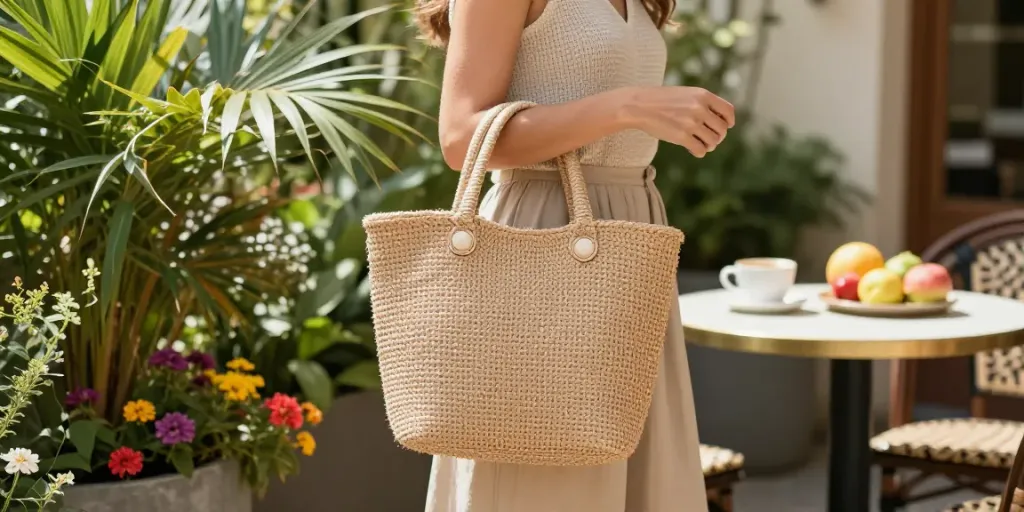
Once you have acquired a beautiful raffia naturel bag, it's essential to know how to style it effectively to make a statement. These bags can complement various outfits, making them a versatile addition to your wardrobe.
Pairing Raffia Bags with Seasonal Outfits
Raffia bags shine during the summer months, pairing beautifully with flowy dresses, shorts, and casual beachwear. However, they can also transition into autumn looks when styled with knitted sweaters and denim. The key to styling a raffia bag is to let its natural beauty enhance your outfit without overwhelming it.
Accessorising: Complementary Pieces for Elegance
Consider pairing your raffia bag with other natural materials, such as leather sandals or wooden jewellery. This creates a cohesive look that celebrates the simplicity and elegance of nature. For a more upscale appearance, add a silk scarf to your bag or wear elegant gold or silver accents to elevate your style.
Maintaining Your Raffia Bag's Appeal
To ensure that your raffia bag remains in pristine condition, it’s essential to care for it properly. Avoid exposing it to excessive moisture and store it in a cool, dry place when not in use. Regularly check the stitching and structure to ensure longevity, and gently clean the surface with a soft cloth to remove any dirt or dust.
The Sustainability Factor: Why Raffia Naturel Matters
The importance of sustainability in fashion cannot be overstated, and raffia naturel stands out as a leading example of how natural materials can positively impact the environment. By choosing handmade raffia bags, consumers are making a conscious decision to support sustainable practices.
The Environmental Impact of Raffia Production
Raffia production has a minimal carbon footprint compared to synthetic materials. Palm trees, from which raffia is derived, help absorb carbon dioxide from the atmosphere, mitigating climate change effects. Furthermore, the biodegradable nature of raffia ensures that once discarded, it won’t contribute to landfill waste, making it an excellent option for eco-conscious consumers.
Supporting Local Artisans in Madagascar
Purchasing raffia bags directly supports local artisans in Madagascar, promoting economic development in the region. By investing in these handcrafted pieces, consumers encourage sustainable livelihoods and help preserve cultural heritage. This relationship between artisans and consumers fosters a deeper connection, where every bag tells a story.
Sustainable Fashion Trends for 2026
The fashion landscape is shifting towards sustainability, with consumers increasingly valuing eco-friendly products. In 2026, we can expect to see a rise in sustainably sourced materials, with raffia naturel leading the charge. As brands adopt environmentally friendly practices, the demand for handmade items that tell a story and support local communities will likely increase.
Future Trends: Raffia Naturel in Upcoming Collections
As we look ahead to 2026, raffia naturel is poised to play a significant role in the fashion industry. Designers are beginning to recognise the value of incorporating sustainable materials into their collections, and raffia is at the forefront of this movement.
Forecasting the Fashion Landscape for 2026
The fashion landscape in 2026 will likely feature an emphasis on sustainability, with raffia bags becoming staples in collections. Expect to see innovative designs that blend traditional craftsmanship with modern aesthetics, appealing to a diverse consumer base.
The Rise of Eco-Conscious Consumers
Today's consumers are more informed and demand transparency from brands regarding sourcing and production methods. This shift has led to a surge in popularity for raffia naturel, as it embodies the principles of ethical fashion. Consumers are increasingly inclined to choose items that not only look good but also contribute positively to society and the environment.
Innovative Designs: What's Next for Raffia?
As designers experiment with raffia, we can anticipate unique interpretations emerging in the market. From bold colours to intricate weaves, the versatility of raffia allows for a range of creative expressions. Expect to see collaborations with artists and designers, pushing the boundaries of traditional raffia craftsmanship while remaining true to its roots.